Over the last decade, cash has faded, contactless has surged, and mobile wallets have gone mainstream. Relentless digitalization has changed everyday payments beyond recognition, yet the checkout has remained largely static: familiar, trusted and functional; yet slow, uninspiring and impersonal. But the checkout is changing. New technologies, shifting consumer demands, and an ever-evolving political and economic landscape means 2026 will be a year of personalization, protection and partnership, transforming the checkout experience for merchants and consumers alike.
In the last of our three-part series, Tommaso Jacopo Ulissi, Head of Strategy and Transformation explains why sovereignty and resilience have never played a more critical role in underpinning payment trust and innovation through 2026 and beyond…

The transformations discussed in the first two parts of this series will count for little if the underlying payment infrastructure is neither sovereign nor resilient. As we move into 2026, the pressures on Europe’s payment rails are mounting on several fronts.
Payments today have become part of critical national infrastructure. If a payment system goes down, even for just a few hours, it can cause significant economic and societal harm. Rising geopolitical tensions mean such operational resilience is constantly being tested, with growing threats to undersea cables and targeted attacks on the European payment ecosystem
In 2026, expect renewed focus on robust, fallback solutions like offline payments from terminals that can encrypt and locally store transaction data at the POS, syncing when connectivity resumes. Finland, Sweden, Norway, Denmark, and Estonia are already developing offline payment capabilities based on deferred authorization. Expect more countries to follow suit in the next twelve months.
Efforts are also ongoing to establish an independent payment ecosystem in Europe, free from dependence on foreign-owned networks that leave the continent vulnerable to political interference, as well as ever-rising transaction fees. As the European payment champion, Nexi is closely involved in two initiatives that will help deliver sovereign, resilient payments.
Over the course of this three-part ‘Nexi Predicts’ series, Tommaso has explored how consumers will encounter truly distinct points of sale in 2026. This depends on their location, preferences, profile and the type of business they are buying from. We believe the year ahead can be transformational for those intent on advancing the customer experience at both the checkout and in their back-office systems. Progress will belong to those ready to collaborate – even with rivals – to bring consistency to the checkout, and who remain unwavering in their obligation to shield users from emerging threats.
Missed parts one [JK1] and two[JK2] ? Click the links to learn about why software-based payments will dominate payment ecosystem growth in 2026, and how payments will become increasingly personalized and verticalized.
[JK1]Hyperlink
[JK2]Hyperlink
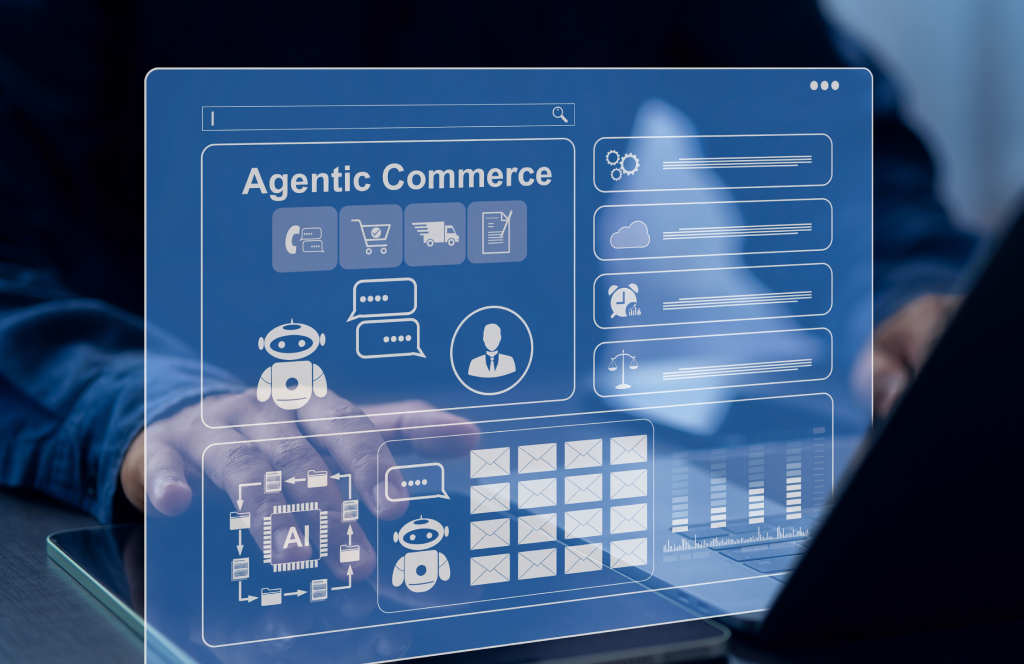
Every week there is more movement in this space and at Nexi, we're pleased to be involved in the development of Google’s Agent Payments Protocol (AP2), which enables users to initiate and transact secure, agent-led payments through mandates and verifiable credentials. As such technology matures and users gain trust and familiarity with agentic commerce, we expect the traditional checkout – where the user browses a site and adds items to a basket – to be turned on its head.
Missed Episode one? Go back and read Software-based payments will take center stage in 2026.
Stay tuned for the third and final episode, in which Tommaso addresses the critical role of sovereignty and resilience in 2026 and beyond…